
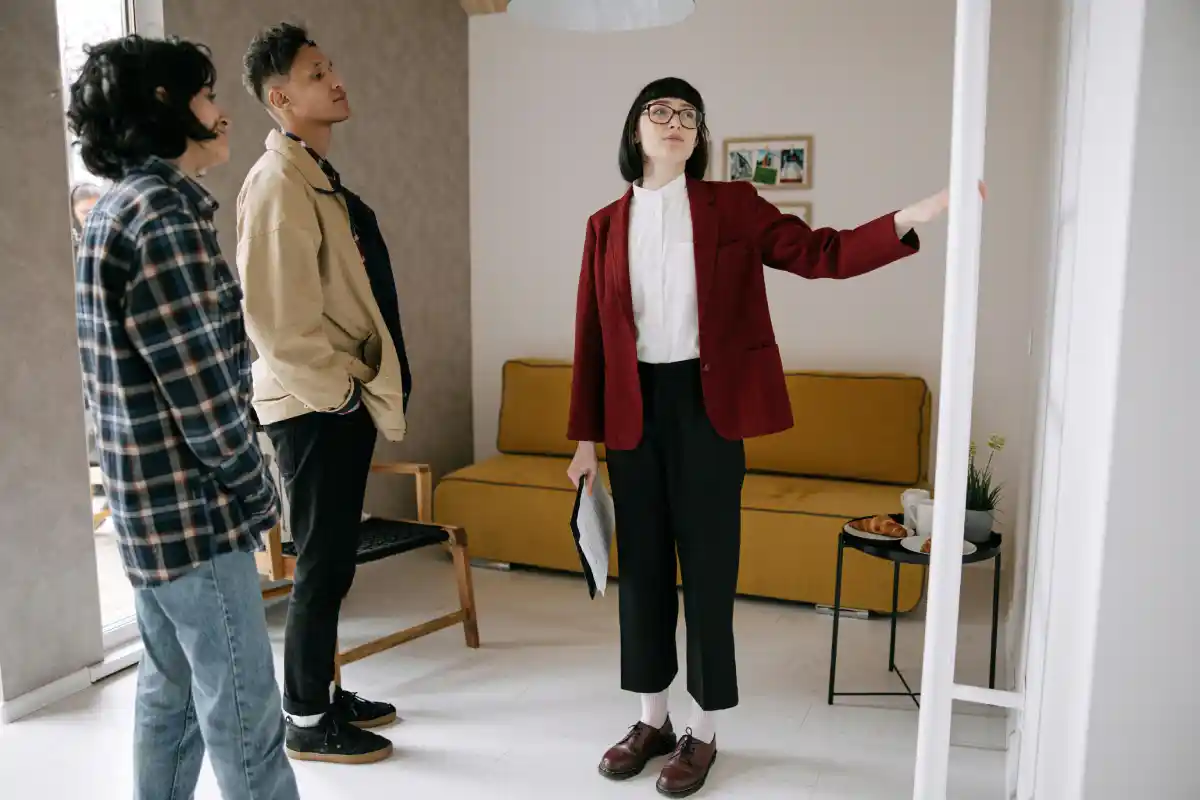
Rental property expectations haven’t changed overnight, but they’ve definitely shifted. Price and location still open the conversation, but they rarely close the deal anymore. What actually sticks with tenants is how a place feels after a few days of living in it. Not during a five-minute viewing, but during real use, such as walking around at night, using the kitchen half-asleep, and going up and down the stairs without thinking twice.
That’s where many properties fall short. On paper, everything looks fine. In practice, small things start to feel off. And once that feeling sets in, tenants start mentally checking out.
Safety Isn’t a Bonus Anymore
There was a time when safety features felt like “extras.” That mindset doesn’t hold anymore. Most tenants assume a basic level of safety is already built in.
Things like proper lighting at entrances, secure locks, and stable flooring aren’t unnecessary luxuries; they’re expected. According to the World Health Organization, a large number of home injuries come down to environmental factors, especially in areas like stairs and uneven surfaces.
This is where perception kicks in. A slightly dim staircase or a railing that doesn’t feel solid might not fail an inspection, but it does trigger doubt. And once a tenant starts questioning safety, everything else about the property becomes harder to trust.
A Good Layout Feels Effortless
Some homes look great in photos but feel inconvenient within a week. That usually comes down to how the space functions, not how it looks. Tenants notice friction quickly:
- Having to bend awkwardly to reach storage
- Tight walkways that interrupt movement
- Fixtures that don’t quite support daily use
On the flip side, when a rental property space is designed well, it doesn’t draw attention to itself. Movement feels natural. Things are where they should be. There’s no need to “adjust” to the space. That’s what comfort really is, not luxury, just ease.
Accessibility Is Quietly Becoming Expected
Accessibility isn’t just for a specific group anymore. It’s becoming part of what people generally expect from a livable home. Families think about safety for children. Older tenants look for stability. Even younger tenants, especially those working from home, prefer spaces that don’t feel restrictive or risky.
Simple additions can change how a space is experienced:
- Better support along staircases
- Storage that doesn’t require constant stretching or bending
- Clear, safe movement between areas
The CDC also points out that small home adjustments can significantly reduce accidents without requiring major changes. These aren’t dramatic upgrades. They’re practical decisions that show the property has been thought through properly.
Small Details Carry More Weight Than Expected
Tenants don’t always explain their decisions logically. A lot of it comes down to instinct. A place either feels right or it doesn’t. That feeling is shaped by details. Solid fixtures, consistent finishes, and subtle safety features all contribute to a sense of reliability.
In multi-level homes, something as simple as a wall mounted handrail for stairs placed correctly can make a noticeable difference. It doesn’t stand out, but it changes how safe the space feels when using it daily. That kind of detail doesn’t just improve usability, it removes hesitation.
Maintenance Tells the Real Story
Tenants pay attention to what’s been maintained and what’s been ignored. A loose handle or chipped corner might seem minor, but it raises a bigger question: how quickly will real issues be handled? Well-kept properties send a different message. They show that problems are addressed before they grow.
What actually matters here isn’t expensive renovation, it’s consistency:
- Fixing wear and tear early
- Keeping high-use areas in good condition
- Making sure lighting and fixtures work reliably
These are very simple and straightforward actions, but they directly affect how tenants perceive management quality.
Comfort Isn’t Just Physical
A comfortable home isn’t only about layout or design. It’s also about how settled a tenant feels over time. When a space feels safe and predictable, it reduces small, daily concerns:
- No second thoughts while using the stairs
- No frustration with awkward design choices
- No uncertainty about whether something might fail
That sense of ease is what keeps tenants from looking elsewhere. Not because the rental property is perfect, but because it works without constant compromise.
Final Perspective
The rental market isn’t getting easier to navigate. Tenants are more aware, more selective, and less willing to overlook issues that affect daily living. Properties that compete only on price tend to struggle. The ones that perform well are usually the ones that get the basics right, such as the safety, usability, and consistent upkeep.
In most cases, the difference isn’t that major. It comes down to small decisions made during setup and maintenance. The kind that are easy to dismiss early on, but become very obvious once someone starts living there.